
Novel Biomarker for Cervical Spondylotic Myelopathy
University of Pittsburgh and Columbia University researchers have developed a first-of-a-kind, blood-based biomarker method for diagnosis and disease prognosis prediction of Cervical Spondylotic Myelopathy (CSM). Based on the levels of chemicals associated with neuroinflammatory response and neuronal degeneration in blood over one year and using machine learning algorithmic predictive models, CSM can be diagnosed and disease severity assessed. This novel diagnostic approach can also predict surgical outcomes and monitor response to therapies.
Description
CSM is the most common form of spinal cord compression and is generally associated with aging. Early diagnosis and identifying patients most likely to benefit from treatments can be challenging and costly, with requirements for advanced imaging and invasive interventions including lumbar puncture. A blood-based biomarker could be a cost-friendly, low intervention alternative to diagnose, predict disease progression, and aid clinical decision making. Ultimately this novel approach could revolutionize the diagnosis and treatment of CSM, removing the need for invasive cerebrospinal fluid collection, costly advanced imaging, or unnecessary surgery, resulting in improved outcomes for patients.Applications
• Cervical Spondylotic MyelopathyAdvantages
Current diagnostic tools for CSM include clinical assessment and advanced imaging. This approach can be costly and may not accurately reflect the extent of spinal cord damage. This novel biomarker panel consisting of markers of the neuroinflammatory response to spinal cord compression (e.g., interleukin-6, tumor necrosis factor-alpha) and neuronal degradation (e.g., neural cell adhesion molecule, neurofilament light chain) that indicate ongoing axonal injury, can provide accurate insights into CSM activity. The results of the panel allow for longitudinal disease tracking, for clinicians to make more precise treatment decisions, and identify patients most likely to benefit from surgical intervention, reducing the risk of patient harm. Additionally, this diagnostic method can be performed using existing laboratory techniques (i.e., ELISA and multiomic profiling) and could be widely available in many healthcare settings. The ability for early diagnosis is possible by identifying molecular changes before irreversible spinal cord damage.Invention Readiness
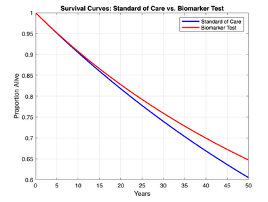
Blood samples were collected at months 1, 3, 6, and 12 post-CSM surgery. Following ELISA analysis and multiomic profiling, a predictive algorithm for CSM was developed. Computer modelling demonstrated clear long-term benefits to patients including improved quality of life and better long-term outcomes compared to existing CSM diagnostic strategies.IP Status
Patent PendingRelated Publication(s)
Kann, M. R., Lavadi, R. S., Crane, A., Aizooky, T., Hardi, A., Polavarapu, H., Kumar, R. P., Mitha, R., Shah, M., Hamilton, D. K., & Agarwal, N. (2025). Fluid biomarkers for cervical spondylotic myelopathy. Neurosurgical review, 48(1), 232. https://doi.org/10.1007/s10143-025-03217-6