
Novel Therapy for Sepsis
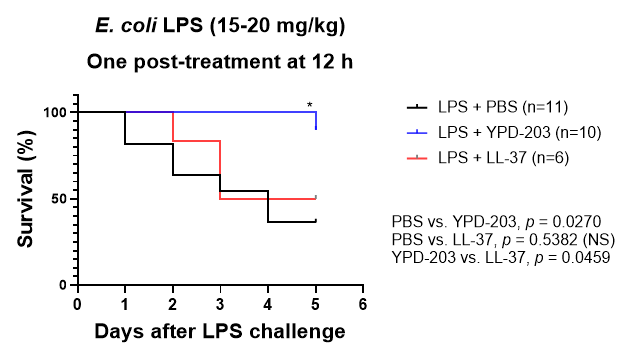
A University of Pittsburgh researcher has developed a novel treatment for sepsis and other lipopolysaccharide-associated conditions. The treatment, polypeptide YPD-203, can suppress cytokine surges across multiple organs providing protection against endotoxin-induced sepsis. YPD-203 prevents overexpression of cytokines, thereby lowering the risk of endothelial dysfunction, microvascular failure and mitochondrial dysfunction, and could potentially provide vital treatment for sepsis by limiting long-term organ damage or death in patients.
Description
Sepsis, a life-threatening condition where the body overreacts to an infection, is one of the leading causes of death globally. During sepsis, the body produces excess cytokines including IL-1, IL-6, and TNF which can lead to organ failure and death. There is no currently approved therapy to target these cytokine surges and the development of a treatment targeting cytokine production in patients with sepsis could address this critical therapeutic gap. Lipopolysaccharide (LPS) produced from gram negative bacteria is an upstream trigger for these cytokine surges making this pathway a novel treatment target for sepsis. Animal studies confirm A4-198 can blunt LPS-induced cytokine surges, reducing the risk of organ damage and death in sepsis models and could provide a new tool in the armamentarium against sepsis.Applications
• Sepsis• Organ failure
• Pulmonary disease
• Severe infections