University of Pittsburgh, Kyushu University, and University of Michigan researchers have identified a key pathway involved in the development of cirrhosis with targets to prevent liver disease, ...
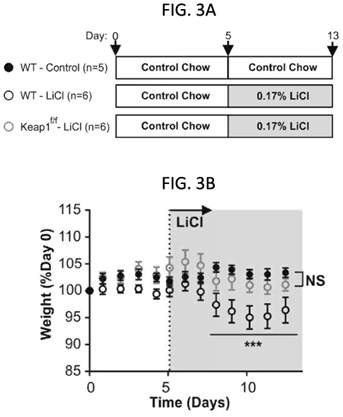
University of Pittsburgh researchers have discovered a novel application for Nrf2 activation using Bardoxolone methyl (CDDO-Me) to treat lithium-induced nephrogenic diabetes insipidus (Li-NDI).
This is a method of treating kidney disease utilizing HMMR-inhibiting peptides and related nucleic acid molecules to target a key molecular driver of kidney disease.
The University of Pittsburgh has developed a technology that enhances in vivo vasculogenic reprogramming using Tissue Nanotransfection (TNT) to deliver specific transcription factors.
This is an integrated tissue-harvest, fluorescence-imaging, and image-analysis system that measures how well the cilia lining the brain’s ventricles drive fluid flow.
University of Pittsburgh researchers have identified genes which when silenced can improve glucose tolerance, insulin secretion and insulin sensitivity.
This invention is a non-invasive method that uses ultrasound-driven microbubbles and ultra-high speed microscopic imaging to measure the elasticity of capillary blood vessels.
Leveraging cross-species insights from hibernation biology, University of Pittsburgh scientists, in collaboration with colleagues at the University of Michigan and Wayne State University, have ...
EVOLV-Rx is an automated data processing system that identifies low-value prescribing practices by extracting and analyzing subject data from multiple sources with varying data formats.
Nearly 40 million people, or 11 percent of the population, had diabetes in 2019, which remains the 7th leading cause of death in the U.S. Diabetes, particularly type 2, is rising at an alarming ...