
Next-Generation Small Molecule Therapeutics Targeting the GSTP1-ISCU Axis for Pulmonary Hypertension Treatment
This invention comprises novel pharmaceutical compositions featuring piperlongumine analogs, designed to inhibit glutathione S-transferase P1 (GSTP1). By targeting specific pathogenic mechanisms, these small molecules offer a potent method to restore endothelial function and alleviate the vascular restrictions characteristic of pulmonary hypertension.
Description
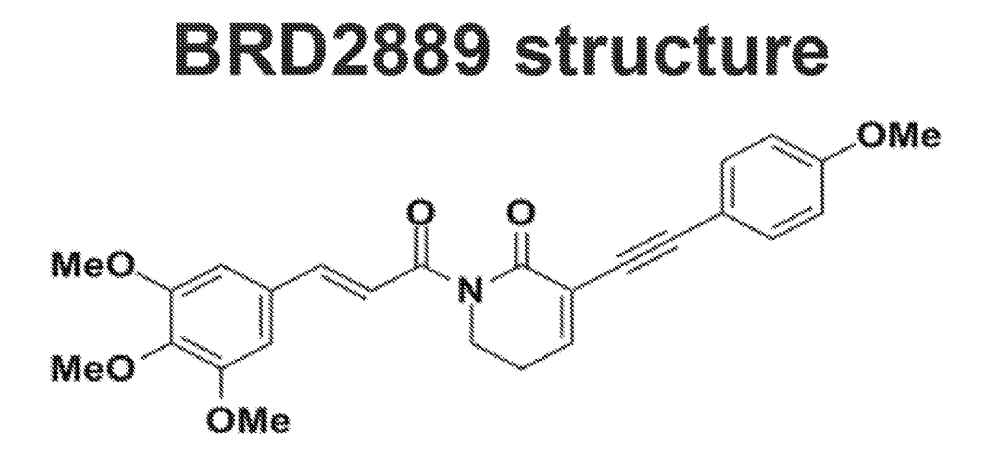
The technology is based on the discovery that GSTP1 plays a critical role in regulating endothelial Iron-Sulfur Cluster Assembly Enzyme (ISCU) function during the progression of pulmonary hypertension (PH). In PH, dysregulated GSTP1 activity contributes to vascular remodeling and dysfunction; this invention addresses that pathway by utilizing specific molecular inhibitors to block GSTP1 or by directly increasing ISCU expression.The primary therapeutic candidates are piperlongumine analogs, specifically BRD-K34222889 and its derivatives. These compounds work by selectively modulating the pathogenic network to reduce mitochondrial oxidative stress and endothelial cell apoptosis. This targeted approach aims to "rewire" the gene clusters associated with extracellular matrix organization and inflammatory signaling, potentially reversing the underlying biological drivers of the disease rather than just managing symptoms.
Applications
- Pharmaceutical Development for PH: Primary application in developing first-in-class drugs for Group 1 and Group 3 pulmonary hypertension.- Combination Therapies: Use as an adjunct therapy alongside existing vasodilators to improve overall patient outcomes.
- Diagnostic Markers: Potential for using GSTP1 and ISCU expression levels as biomarkers for PH progression or treatment efficacy.
- Vascular Disease Research: Application of the small molecules in research focused on other endothelial dysfunction-related cardiovascular diseases.
- Drug Screening Platforms: Utilization of the identified GSTP1-ISCU axis in high-throughput screening for additional therapeutic compounds.
Advantages
- Targeted Mechanism of Action: Directly addresses the GSTP1-ISCU regulatory axis, a specific pathway identified in the pathogenesis of pulmonary hypertension.- Enhanced Endothelial Function: Demonstrates the ability to regulate endothelial ISCU function, which is vital for maintaining vascular health.
- Reduced Mitochondrial Stress: Effective in lowering mitochondrial superoxide production and cellular apoptosis (Caspase 3/7 activity) in affected tissues.
- Novel Small Molecule Class: Utilizes piperlongumine analogs like BRD-K34222889, providing a new chemical scaffold for PH drug development.
- Broad Therapeutic Potential: Offers a multi-pronged approach by either inhibiting GSTP1, increasing ISCU expression, or both.