This tool leverages longitudinal data from the Study of Women’s Health Across the Nation (SWAN) to deliver personalized 10-year cardiovascular risk estimates for midlife women.
University of Pittsburgh researchers are developing a mobile and web application to assist clinicians in real-time calculation of the Pittsburgh Cardiac Arrest Category (PCAC) score.
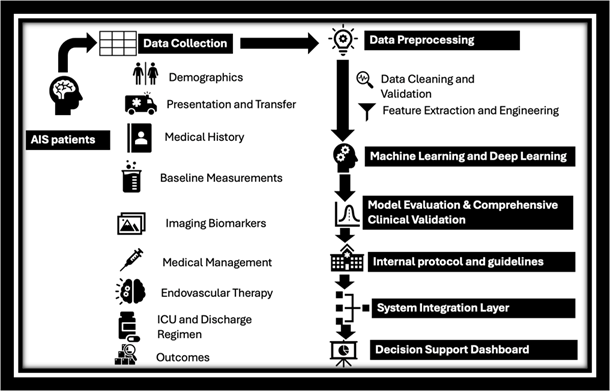
NeuroSmart is an AI-driven clinical decision support system (CDSS) designed to optimize stroke management by providing personalized, real-time diagnostic and treatment recommendations.
University of Pittsburgh researchers have developed a novel in vitro model of metabolic dysfunction-associated steatotic liver disease (MASLD) in patients with genetic mutations (TM6SF2-167K).
University of Pittsburgh and Carnegie Mellon University researchers have developed a novel approach to reducing the risk of intraoperative hypotension (IOH).
Parathyroid hormone (PTH) type 1 receptor (PTHR) is an indispensable G protein-coupled receptor (GPCR) of class B that functions to regulate blood levels of vitamin D, calcium, and phosphate ions in the body, as well as bone turnover.
This invention is a novel, in vivo, luciferase-based reporter animal model that provides a dynamic, quantifiable measure of methionine metabolism in living organisms.
The University of Pittsburgh has developed a technology that enhances in vivo vasculogenic reprogramming using Tissue Nanotransfection (TNT) to deliver specific transcription factors.
University of Pittsburgh researchers have developed an innovative additive and subtractive laser-assisted rolling fabrication technique to create mesoporous, compliance-matched, and drug-eluting vascular grafts.
University of Pittsburgh researchers have developed a novel handheld oscillating wire torquing device to assist the delivery of interventional guidewires.
This is an advanced computational system employing a highly-optimized machine-learning model to provide early and precise prediction of mean blood pressure (MBP) and the associated risk of Post-Induction Hypotension (PIH) in surgical patients.