A team of researchers from the University of Pittsburgh have identified the cause of a new neurological syndrome and a potential therapeutic target for its treatment.
This approach employs targeted reduction of β-catenin expression or activity in the liver to alleviate porphyria by correcting dysregulated heme biosynthesis.
This is a compact, single adeno-associated virus (AAV) vector that switches on a patient’s own LAMA1 gene, a compensatory laminin, using a miniaturized CRISPR activation system.
University of Pittsburgh researchers have designed and synthesized novel carbamates to target the potassium channels (K-channels) in auditory synapses, a novel target for the treatment of tinnitus.
This novel combinatorial therapeutic method pairs allogenic stem cell transplantation with an advanced viral vector-mediated gene therapy to boost the crucial GALC enzyme expression.
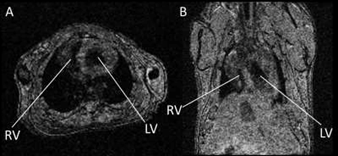
University of Pittsburgh and Cedars-Sinai Medical Center scientists have developed a novel MRI (magnetic resonance imaging) method, 4D Oxy-wavelet MRI, to monitor mitochondrial function in live ...